Mudanças no Acompanhamento de Processos de Nacionalidade Portuguesa
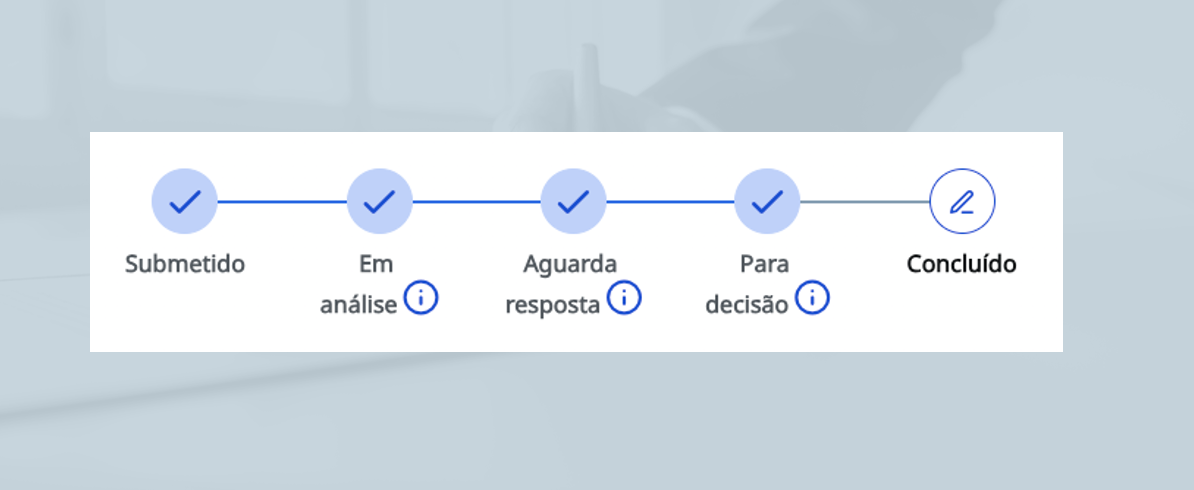
A partir de 1º de outubro, o acompanhamento dos pedidos de nacionalidade portuguesa será simplificado com o lançamento da nova Plataforma da Nacionalidade, desenvolvida pelo Instituto de Registos e Notariado (IRN). A plataforma promete agilizar a tramitação dos processos e aumentar a eficiência dos serviços, começando pela Conservatória dos Registos Centrais, em Lisboa, e o Arquivo Central do Porto. A partir de 4 de novembro, estará disponível em 16 balcões pelo país.
Com essa mudança, os documentos dos requerentes serão digitalizados logo na entrada do pedido, e o sistema, usando inteligência artificial, inserirá automaticamente os dados e classificará os processos, reduzindo o tempo de processamento em até 1h13. A principal vantagem está na redução da burocracia e no menor risco de fraude.
Além disso, o novo sistema automatiza a comunicação com outras entidades envolvidas e integra o registro civil, permitindo a inscrição automática do registo de nascimento ao conceder a nacionalidade. Isso aumentará em 50% a capacidade de processamento dos pedidos de nacionalidade.
A antiga plataforma SITPRO, conhecida pelas “bolinhas”, foi desativada, e os processos agora seguem uma nova estrutura: Submetido, Em análise, Aguardando resposta, Para decisão e Concluído. A transição para o novo sistema promete mais eficiência e transparência para os requerentes.
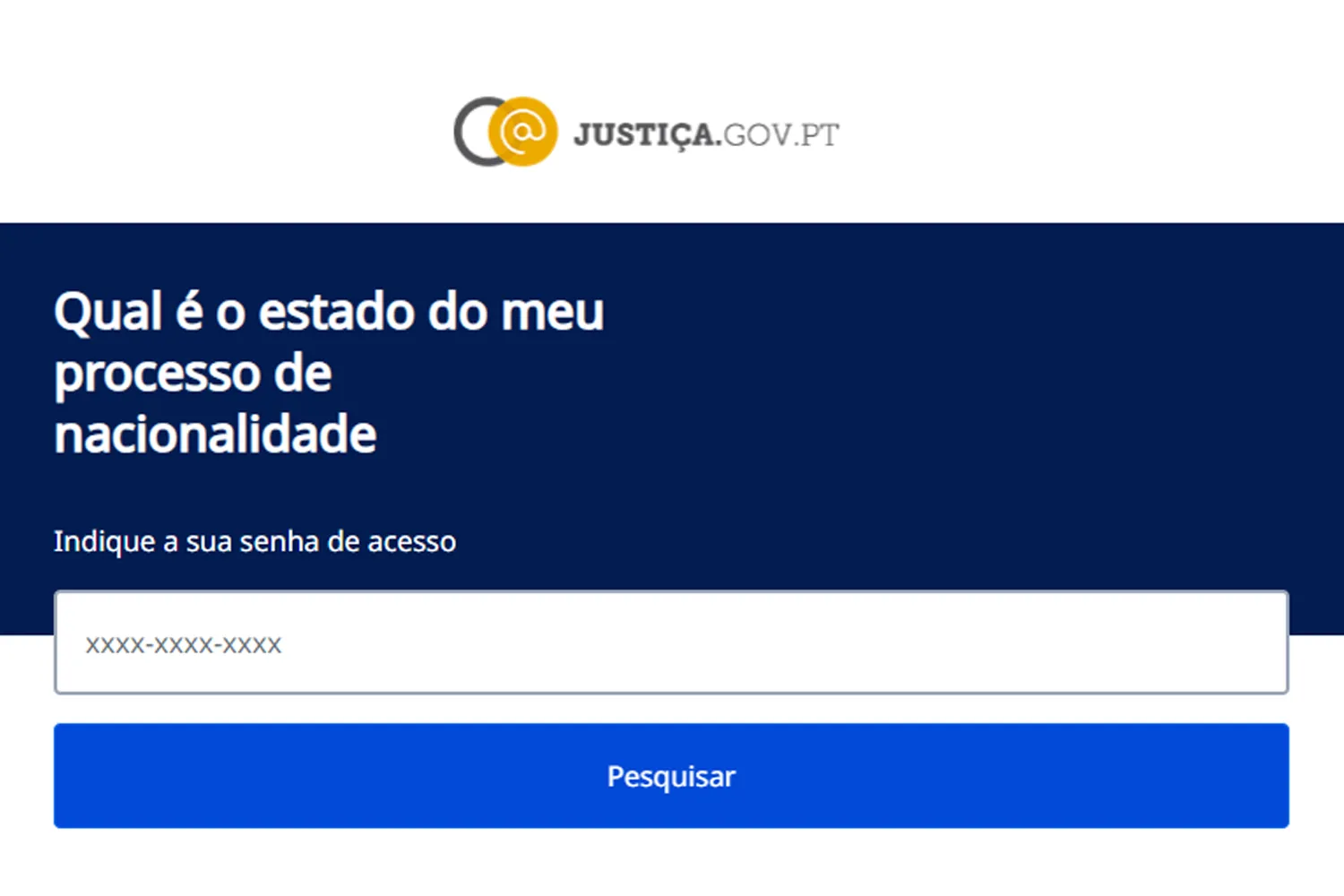
Step-by-Step Guide: How to Check Your Case on the IRN Website
To check the progress of a Portuguese nationality case on the IRN website, you must have an access key. This […]
 Por Marketing Martins Castro
em 9 de julho de 2026
Por Marketing Martins Castro
em 9 de julho de 2026
Paso a paso: cómo consultar el proceso en el IRN
Para consultar el avance del proceso de nacionalidad portuguesa en el sitio web del IRN, es necesario contar con la […]
Por Marketing Martins Castro
em 9 de julho de 2026

Legal Action in Nationality Cases: Which Types of Applications May Access This Resource?
For those already going through a Portuguese nationality process and facing delays, a common question is whether the administrative route […]
Por Marketing Martins Castro
em 9 de julho de 2026