Changes in the Monitoring of Portuguese Nationality Processes
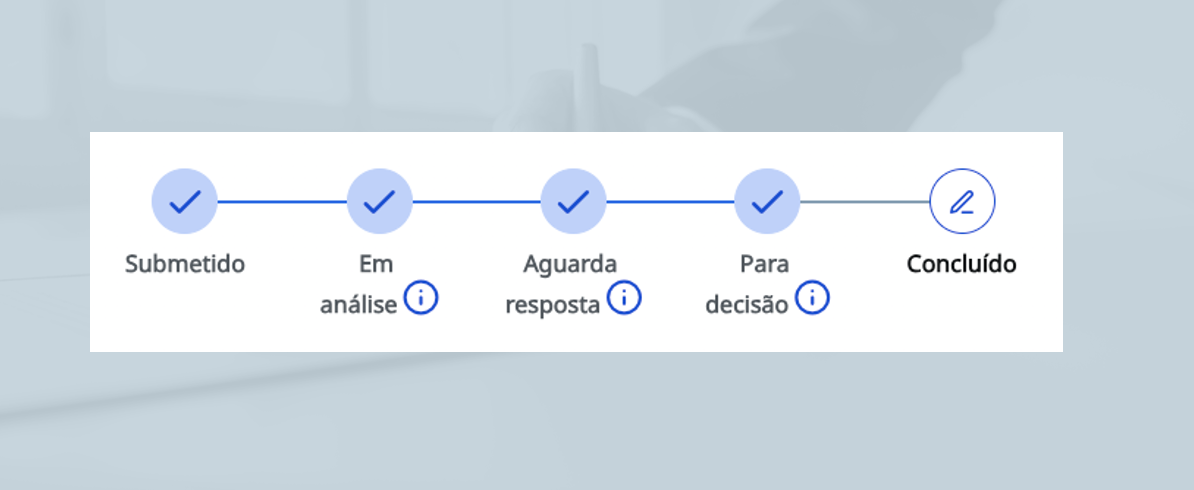
From October 1st, the monitoring of applications for Portuguese nationality will be simplified with the launch of the new Nationality Platform, developed by the Institute of Registries and Notaries (IRN). The platform promises to streamline the processing of applications and increase the efficiency of services, starting with the Central Registry Office in Lisbon and the Central Archives of Porto. From November 4th, it will be available at 16 branches across the country.
With this change, applicants' documents will be scanned as soon as the application is received, and the system, using artificial intelligence, will automatically enter the data and classify the processes, reducing processing time by up to 1h13. The main advantage is the reduction of bureaucracy and the lower risk of fraud.
In addition, the new system automates communication with other entities involved and integrates the civil registry, allowing automatic registration of birth registration when granting nationality. This will increase the processing capacity of nationality applications by 50%.
The old SITPRO platform, known as the “dots”, has been deactivated, and the processes now follow a new structure: Submitted, Under analysis, Waiting for response, For decision and Completed. The transition to the new system promises greater efficiency and transparency for applicants.

"Because of a controversy, they are changing a historical reparation," says Isabel Comte.
The proposed changes to the Nationality Law in Portugal remain at the center of public debate, even after the decision […]
 Per Marketing Martins Castro
on December 29, 2025
Per Marketing Martins Castro
on December 29, 2025

"The Constitutional Court gave time, it didn't change the law," says a lawyer from Martins Castro.
The recent decision by the Portuguese Constitutional Court, which blocked key parts of the government's proposal to tighten access […]
Per Marketing Martins Castro
on December 29, 2025

Nationality for minor children: why is the process usually simpler?
Among the various pathways provided for in the Portuguese Nationality Law, transmission to minor children is usually perceived as a […]
Per Marketing Martins Castro
on December 29, 2025