What is e-Residency: Estonia's virtual residence
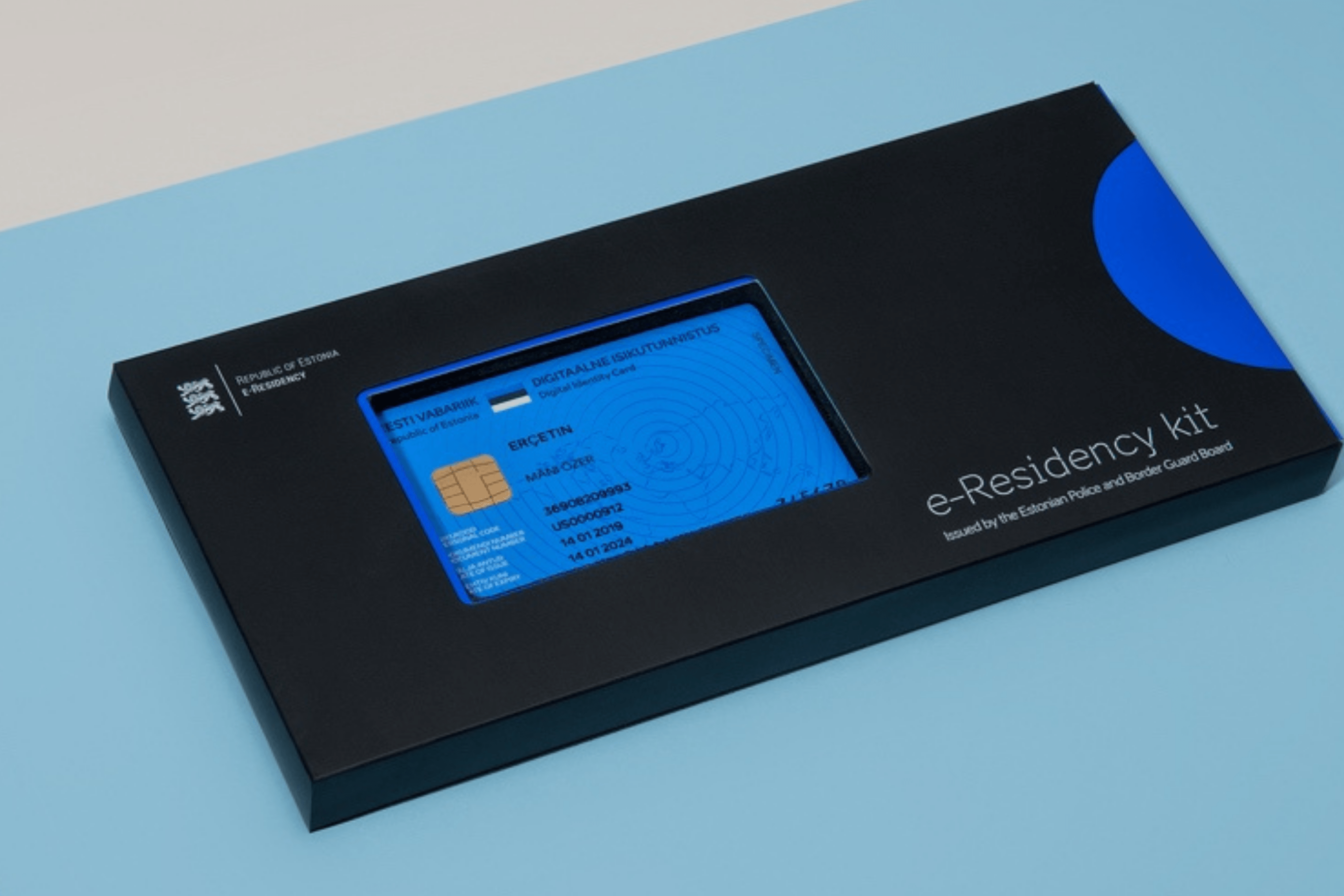
It's easy to hear about Estonia and think about the possibility of having a virtual residence in the country, that is, to be part of the program e-Residency. Good, but do you know what that means and who can apply? We prepared this post to talk about this topic.
What is e-Residency?
Despite the name, it is very important to emphasize that e-Residency it is not a residence visa which gives the right to live in Estonia.
e-Residency was launched in 2014 by the Estonian government with the aim of being the first government program that allows open and generate a company within the European Union (more precisely in Estonia) in an online form 100%. So if you want or need to do business internationally in an easy way, this program might be what you're looking for.
And when we talk about 100% online, there is no exaggeration. Those who are part of the e-Residency have access to the following benefits:
- Establish an Estonian company online;
- Manage the company from anywhere in the world;
- Sign documents and contracts digitally and verify the authenticity of signed documents;
- Encrypt and transmit documents securely;
- Conduct electronic and remote cash banking transactions;
- Access online payment service providers;
- Declare Estonian taxes online.
The program only grows each year. There are already more than 83,000 registered people who have established more than 17,000 companies in Estonia.
Currently, Brazil ranks 28th in number of applications with 820 and 30th in number of publicly traded companies with 136 – data from august 2021.
Remembering that the program is open to applications from anyone in the world as long as you are not an Estonian citizen or resident of the country (as in that case you already have a government-issued digital ID that entitles you to benefits) and that you demonstrate a reasonable interest, through your letter of motivation, in using the country's electronic services.
Interested? Contact us for more information: martinscastro.pt/fale-conosco

"Because of a controversy, they are changing a historical reparation," says Isabel Comte.
The proposed changes to the Nationality Law in Portugal remain at the center of public debate, even after the decision […]
 Per Marketing Martins Castro
on December 29, 2025
Per Marketing Martins Castro
on December 29, 2025

"The Constitutional Court gave time, it didn't change the law," says a lawyer from Martins Castro.
The recent decision by the Portuguese Constitutional Court, which blocked key parts of the government's proposal to tighten access […]
Per Marketing Martins Castro
on December 29, 2025

Nationality for minor children: why is the process usually simpler?
Among the various pathways provided for in the Portuguese Nationality Law, transmission to minor children is usually perceived as a […]
Per Marketing Martins Castro
on December 29, 2025